

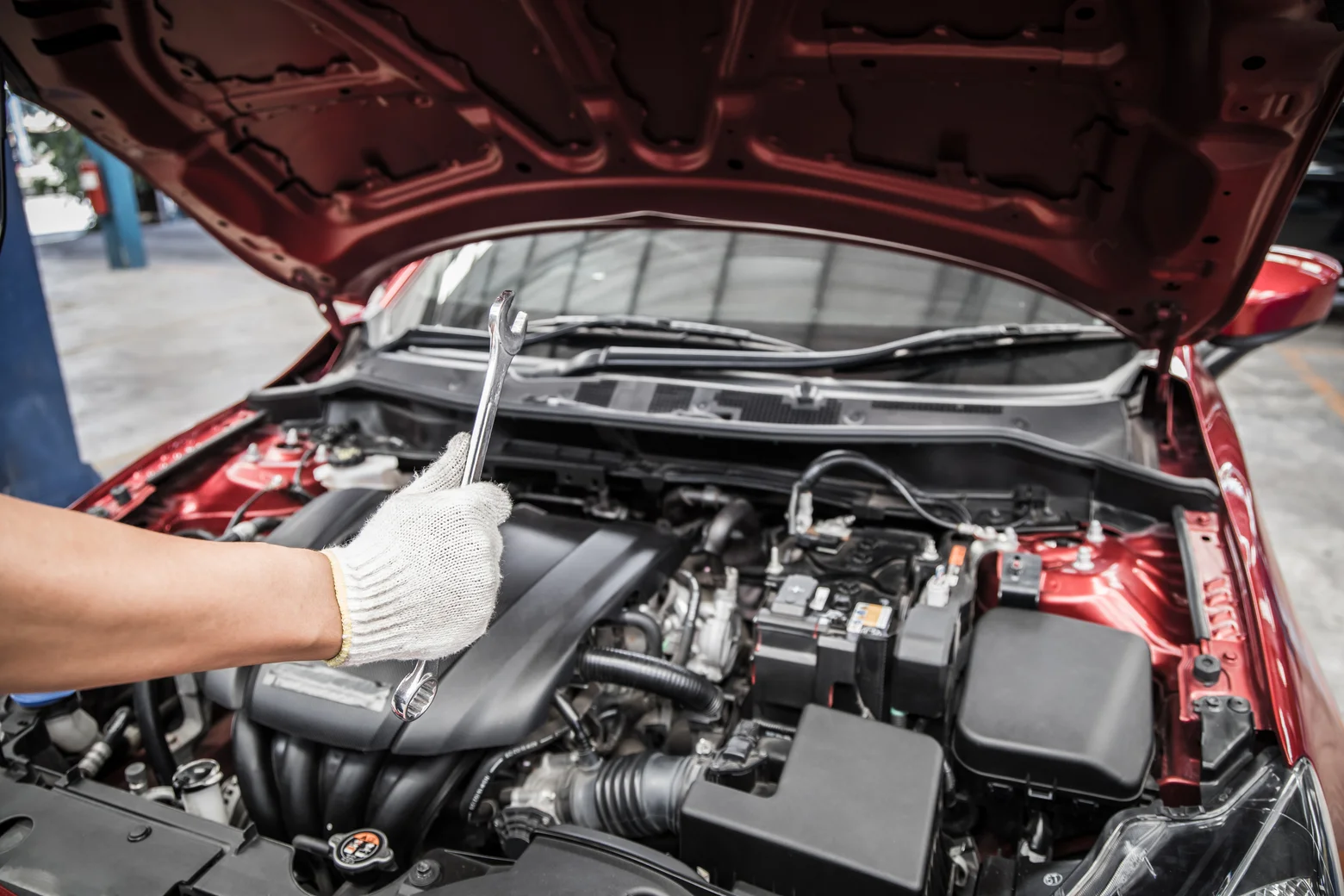
An engine tune-up is a set of maintenance services performed on a vehicle’s engine to keep it running smoothly, efficiently, and reliably. Rather than waiting for a problem to surface, a tune-up is proactive care. In practice, a tune-up can include replacing spark plugs, checking ignition timing, cleaning or replacing the air filter, fuel filter, and sometimes inspecting fuel injectors or performing valve adjustments, depending on the vehicle type and its condition.
The Main Components of a Tune-Up
A quality engine tune-up will focus on several essential components, which are vital for keeping your vehicle running smoothly and efficiently.
Spark Plugs and Ignition System
Spark plugs spark the combustion in each cylinder. Worn or fouled plugs reduce power, waste fuel, or cause misfires. A tune-up involves checking gap settings, replacing them if worn, and verifying that wires, coils, or the ignition module are functioning.
- Air Intake and Filter
Engines need a steady supply of clean air. A clogged air filter chokes the air supply, reducing efficiency and performance. Cleaning or replacing the air filter is a standard tune-up step. The intake system is also inspected for leaks or cracks. - Fuel System Checks
Fuel filters, fuel injectors, or carburetor components are cleaned or replaced. The tune-up may check fuel pressure, spray patterns, and injector function. Any clog or malfunction here throws off the air-fuel mix and hurts performance or fuel economy. - Ignition Timing and Engine Calibration
Older engines require timing adjustment. Modern engines use onboard computers (ECU) to manage timing, but a tune-up may involve confirming sensors, checking for codes, resetting computer parameters, or updating software if needed. - Valve and Compression Inspection
Some tune-ups include checking valve clearance, especially in engines with mechanical (non-hydraulic) valve systems. Also, a compression check provides insight into the internal health of cylinders and rings. - Belts, Hoses, and Fluid Levels
Though not strictly “engine” parts, the serpentine belt, timing belt, coolant hoses, and oil levels are often reviewed during a tune-up. A worn belt or low fluids indirectly affect engine performance.
By covering these components, a tune-up restores the engine’s ability to deliver power smoothly, maintain steady idling, and respond cleanly to acceleration.
Signs You Need a Tune-Up
A vehicle tune-up is essential for maintaining your car’s performance and reliability. Regular tune-ups help prevent minor issues from turning into costly repairs. Ensuring your engine runs efficiently not only extends its lifespan but also keeps your driving experience safe and smooth.
- The engine idle is rough, spiking, or dipping unexpectedly
- The vehicle struggles to accelerate, or there’s a delay when pressing the pedal
- Fuel consumption has increased noticeably
- The engine misfires, “pinging,” or backfires
- The “check engine” light or fault codes appear
- A drop in power under load, say when climbing a hill or carrying weight
- Strange exhaust smoke odors or color (not raw black smoke, which may signal other issues)
If any of these symptoms occur, getting a proper tune-up helps identify weak parts before they fail outright.
What to Expect from a Professional Tune-Up Service
- Initial Diagnostic Scan
A modern car has onboard diagnostics. The mechanic connects to the Engine Control Unit (ECU), checks for stored error codes, and reviews sensor readings (oxygen sensors, mass airflow sensor, throttle position, etc.). That gives clues before the physical work begins. - Component Inspection and Replacement
The technician will examine spark plugs, wires/coils, filters, belts, hoses, and fuel parts. They’ll replace any part that’s nearing end-of-life or already faulty, based on age, wear, or scan data. - Adjustment and Calibration
They’ll adjust spark plug gaps, ignition timing, valve clearances if needed, and may reset or reprogram ECU parameters. If the car allows, idle speed and mixture adjustments may be done. - Performance Testing
After adjustments and part replacements, the mechanic will run the engine at different loads, idle, acceleration, and possibly test drive. They’ll confirm that error codes are cleared and performance is stable. - Final Report and Recommendations
You will receive a written or verbal summary of what was done, which parts were replaced, and what needs watching in the near future. This helps with planning for future maintenance.
Skipping these tune-up checks can lead to engine overheating, rough idling, poor fuel economy, and unexpected breakdowns. Ignoring them also shortens engine life and increases costly repairs later. Over time, these problems can worsen, leading to reduced engine power and difficult starting.
An engine tune-up is not just replacing some parts. it’s a systematic check and adjustment of many systems that work together. Done right, it improves drivability, fuel efficiency, reliability, and engine life. If you operate a vehicle in Sri Lanka and are searching for a good service, reach out to Hybrid Point, ask specifically about their tune-up checklist, component warranties, and post-tune tests.